
Introduction:
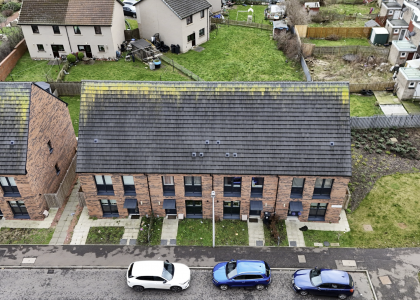
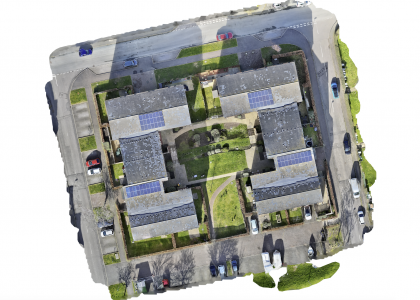
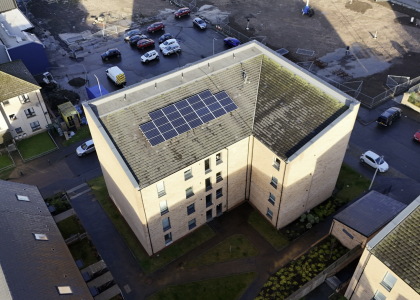
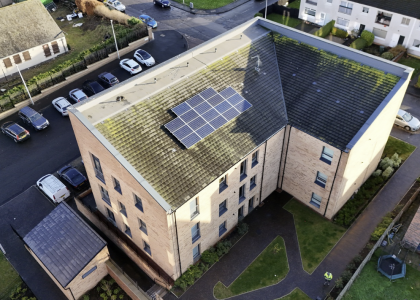
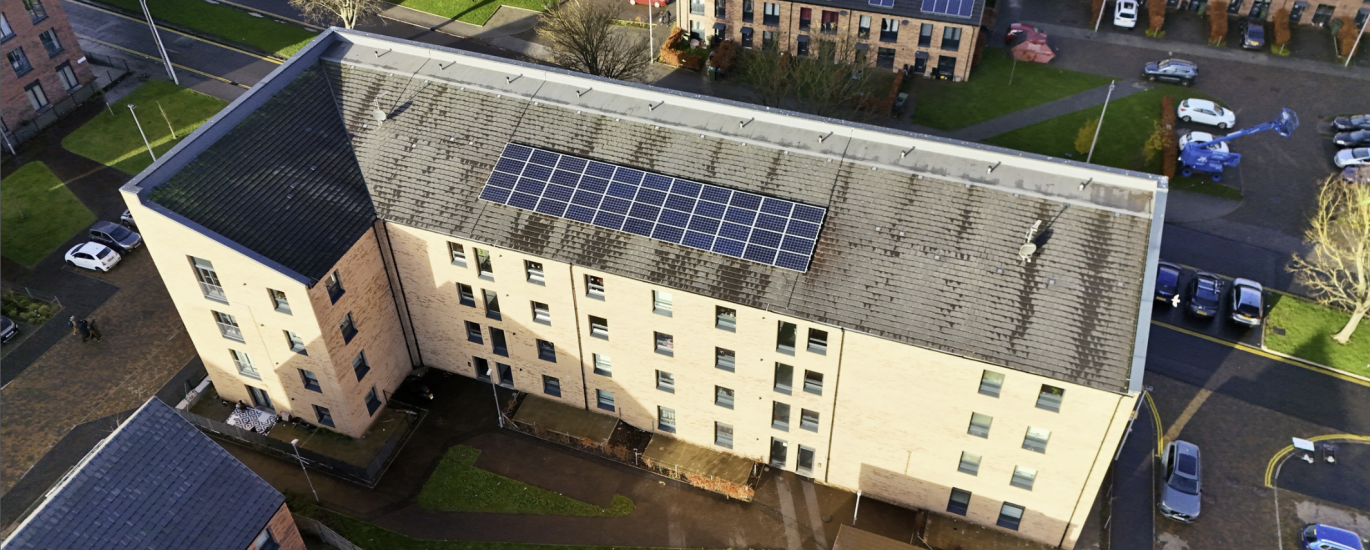
I would like to present another successfully executed project that required advanced operational planning and a strategic approach to modern urban infrastructure diagnostics. The mission involved a comprehensive technical inspection of the roof structure and a solar PV array on a multi-storey residential building.
When dealing with assets of this scale and geometry, standard approaches are not an option. We implemented a multi-tiered flight strategy to deliver uncompromised data quality for the client: 🛰️
Key Project Pillars:
• Integrated Roof & Renewable Energy Survey: We combined high-resolution visual structural mapping (guttering, flashing, and edge details) with a dedicated assessment of the solar photovoltaic installations. This allowed the client to evaluate both structural integrity and asset performance in a single operational window.
• Optimal Sensor Angle Management: Due to the pitch of the roof and the specific orientation of the PV modules, the flight paths were meticulously calculated to maintain a perfect perpendicular sensor angle. This eliminated sun glare and ensured razor-sharp, uniform imagery across the entire asset.
• Urban Operational Safety: Operating directly above residential infrastructure and adjacent to active parking zones and pedestrian paths required strict buffer zone management and absolute control over the operational environment.
🛡️ Safety First: Professional Tips for Urban & PV Inspections
Safety and data consistency are the core foundations of our operations. Here are the critical practices we integrated into this deployment:
1. Congested Area Risk Mitigation: Prior to take-off, map out dedicated Emergency Landing Zones (ELZ) entirely clear of pedestrian walkways, vehicles, and active transit routes.
2. Environmental Factors in PV Assessment: When planning solar infrastructure inspections, monitor irradiance levels closely alongside wind speeds. Consistent solar radiation is vital for securing dependable, high-fidelity data.
3. Micro-Weather Awareness: Around tall residential blocks, always account for localized wind turbulence and sudden drafts (the funnel effect) generated by building architecture.